Most replacement windows in Toledo, Ohio, last 20 to 30 years, depending on the material, installation quality, and maintenance. Vinyl windows usually fall within this range, while fiberglass windows can last longer.
Ohio’s freezing winters, summer heat, rain, and temperature changes can wear down window seals, frames, and weatherstripping over time. If your windows are 15 or 20 years old, check for drafts, foggy glass, and frame damage before deciding whether you need replacements.
How Long Do Different Types of Replacement Windows Last?
| Window type | Typical lifespan | What it needs |
| Vinyl | 20 to 30 years or more | Cleaning, checking seals |
| Wood | 20 to 30 years or more with care | Repainting, sealing, watching for rot |
| Fiberglass | 25 to 40 years or more | Cleaning, checking seals |
| Aluminum | 20 to 30 years or more | Checking hardware, finish and seals |
These are planning ranges, not promises. The product, the installation and the way your house is exposed to weather all move the number.
The National Fenestration Rating Council (NFRC) points to four things that affect durability: the frame and sashes, the insulating glass seals, the weatherstripping, and local structural requirements. It also stresses proper installation by trained professionals.
What Toledo Weather Does to Replacement Windows
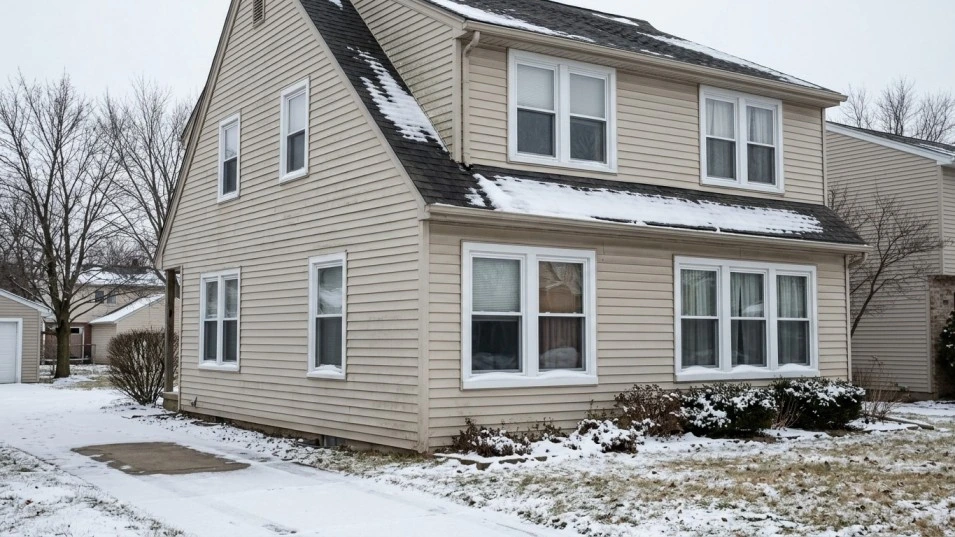
Toledo sits at the western end of Lake Erie, and that shapes what your windows go through. Winters are long and cold, summers are humid, and the lake keeps a lot of moisture in the air year-round.
The hardest part is freeze-thaw. Through a Toledo winter, temperatures cross the freezing mark again and again. Each swing makes frames, glass and sealant expand and contract. After enough winters, that movement opens up small gaps in caulk and seals.
Moisture makes it worse. Water that gets behind the paint on a wood frame, or into a gap around the trim, freezes at night and thaws by afternoon. The gap gets a little bigger every time.
Sun matters too. A south- or west-facing window takes more UV and heat than one shaded by a porch or a big tree, so its weatherstripping and finish often wear out sooner. If two windows in the same house look very different in age, this is usually why.
Why Some Windows Wear Out Early
- Bad installation. A window that doesn’t fit the opening well lets air and water through the gaps. This is the most common reason a young window fails.
- A failed glass seal. Double-pane windows have a sealed space between the panes. When the seal breaks, moisture gets in and the glass fogs for good, even if the frame is perfect.
- Worn weatherstripping. Felt soaks up moisture, brush strips mat down, and rubber or plastic can turn brittle. Once it fails, you get drafts and windows that won’t close tight.
- Water around the frame. A leaking gutter, bad trim or siding damage can soak a window from the outside. A new window won’t fix that if the leak stays.
- Skipped maintenance. Dirty tracks, cracked caulk and peeling finish on wood are cheap to fix early and expensive later.
6 Signs Your Replacement Windows Need Attention
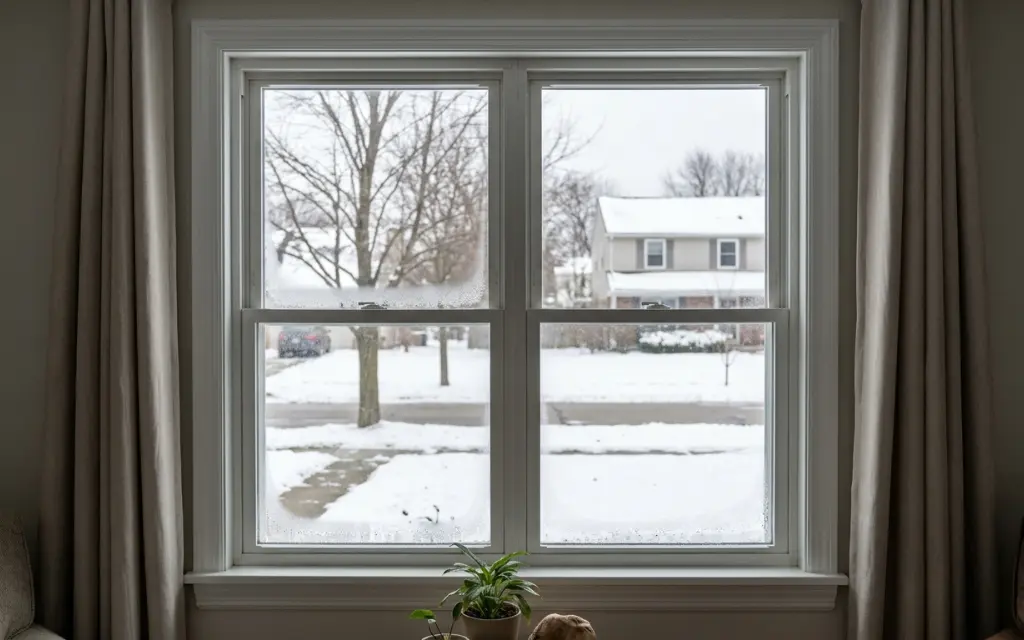
- Fog between the panes. You can wipe condensation off the room side of the glass. Fog trapped between the panes means the seal has failed. Sometimes only the glass unit needs replacing, not the whole window.
- Drafts at a closed window. Hold your hand along the edges on a windy day. The cause might be worn weatherstripping, a lock that doesn’t pull the sash tight, or a gap between the frame and the wall.
- Windows that stick or won’t lock. Dirty tracks are the easy explanation. If cleaning doesn’t help, the hardware may be worn, or the frame may have shifted. A window that won’t lock is also a security problem.
- Soft, cracked or swollen wood. Press on the sill with a screwdriver tip. If it sinks in, the wood has rot.
- Stains or peeling paint under the window. This points to a leak, but the window may not be the source. Check the siding, flashing and roof above it.
- A cold room that won’t warm up. Windows can be the reason, but attic leaks, bad door seals and thin wall insulation cause the same problem. Find the source before you spend money.
How old are your windows? Look at the thin strip between the two panes of glass. Many manufacturers stamp a date code on it. If you can’t find one, the paperwork from the original install is the next best place to look.
Simple Maintenance That Adds Years
- Vacuum the tracks and wipe them down twice a year.
- Press on the weatherstripping. If it’s flat, cracked or sticky, replace it.
- Look over the exterior caulk each fall, before the first freeze.
- Repaint or restain wood before the finish fails.
- Clear gutters and downspouts so water isn’t running down the wall above a window.
- Leave the small drainage slots in the frame open. Caulking them shut traps water inside.
Should You Repair Old Windows or Replace Them?
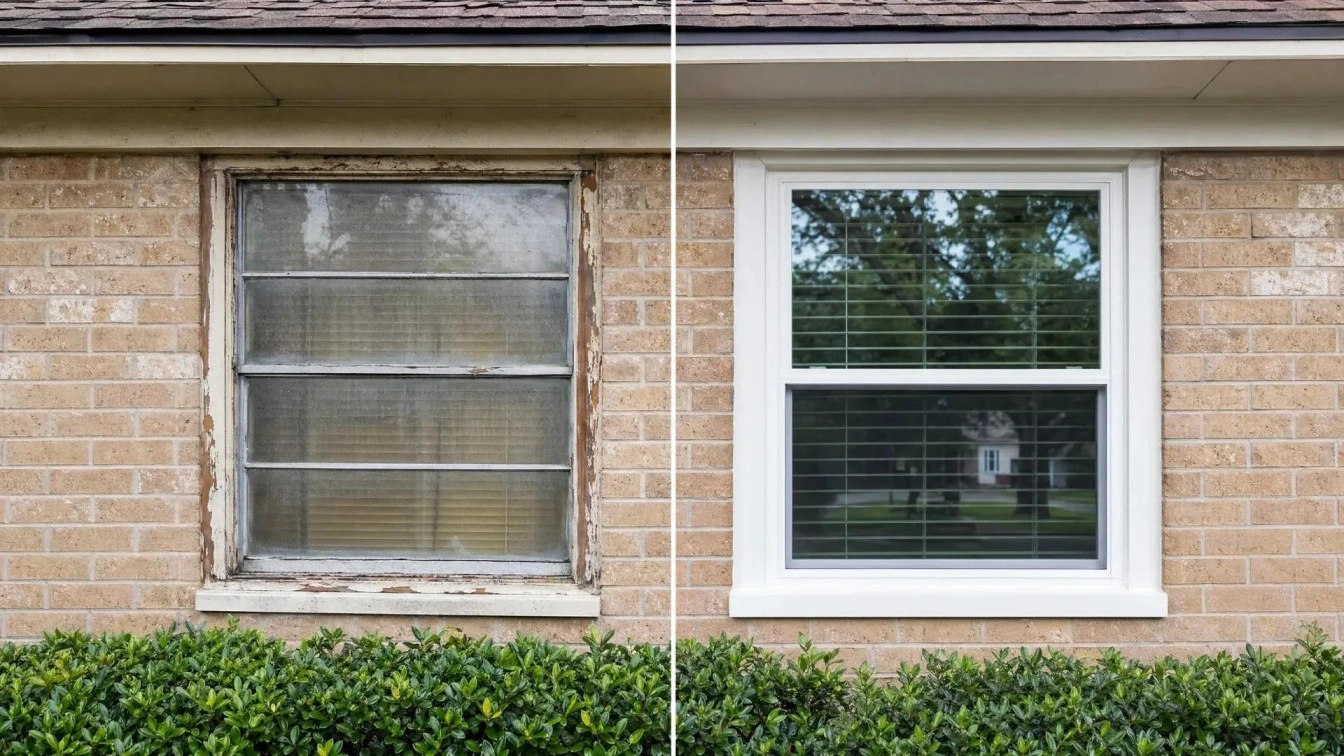
Age alone doesn’t settle it. The kind of damage does.
| Problem | What to do |
| Stiff or sticky operation | Clean the tracks, check the hardware |
| Worn weatherstripping | Replace the weatherstripping |
| Cracked caulk | Find why the gap opened, then reseal |
| Fog between the panes | Ask if the glass unit can be replaced alone |
| Small spots of wood rot | Repair the wood and refinish it |
| Heavy rot or repeated leaks | Get it inspected before the damage spreads into the wall |
| Several windows with drafts, fog and sticking | Compare repair costs against replacing them |
A 20-year-old window with a solid frame may only need new weatherstripping. A 12-year-old window sitting in a wet wall may need to go. If only a few windows are failing, you don’t have to replace the whole house.
If your frames are sound but the glass is old single-pane, ENERGY STAR notes that low-e storm windows cost roughly a quarter to a half of what replacement windows do. That can be a reasonable middle option.
Replacing Windows in an Older Toledo Home
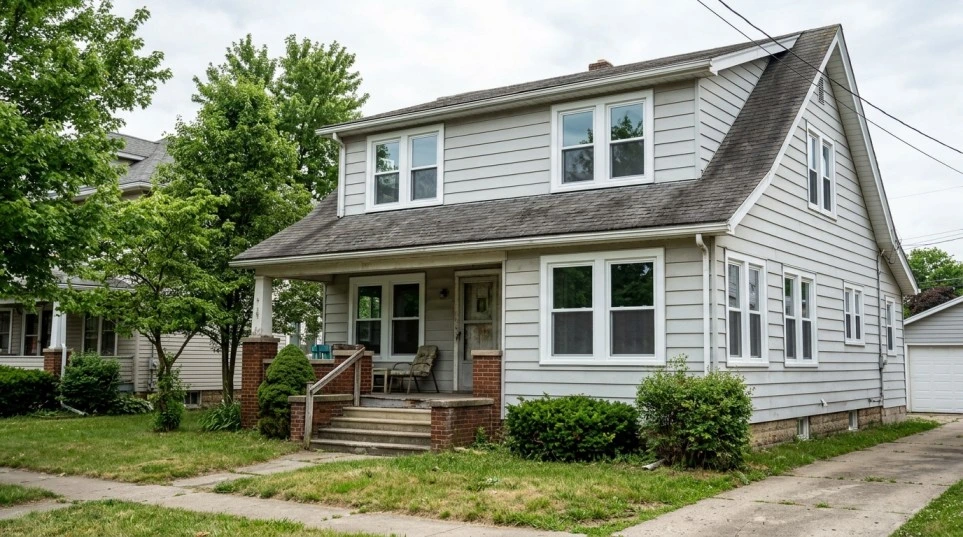
Many Toledo neighborhoods, the Old West End among them, are full of houses that are a century old. They come with a few things newer homes don’t have.
Openings that aren’t square. Houses settle over time, and a 100-year-old opening is rarely a perfect rectangle. That’s why custom measuring matters. A window built a quarter inch off leaves a gap that you’ll feel every January. Arched and odd-shaped openings are common too, and custom shape windows exist for exactly that.
Lead paint. If your house was built before 1978, the old windows may have lead paint. ENERGY STAR says the installer should follow lead-safe practices when removing them. Ask about this before you sign.
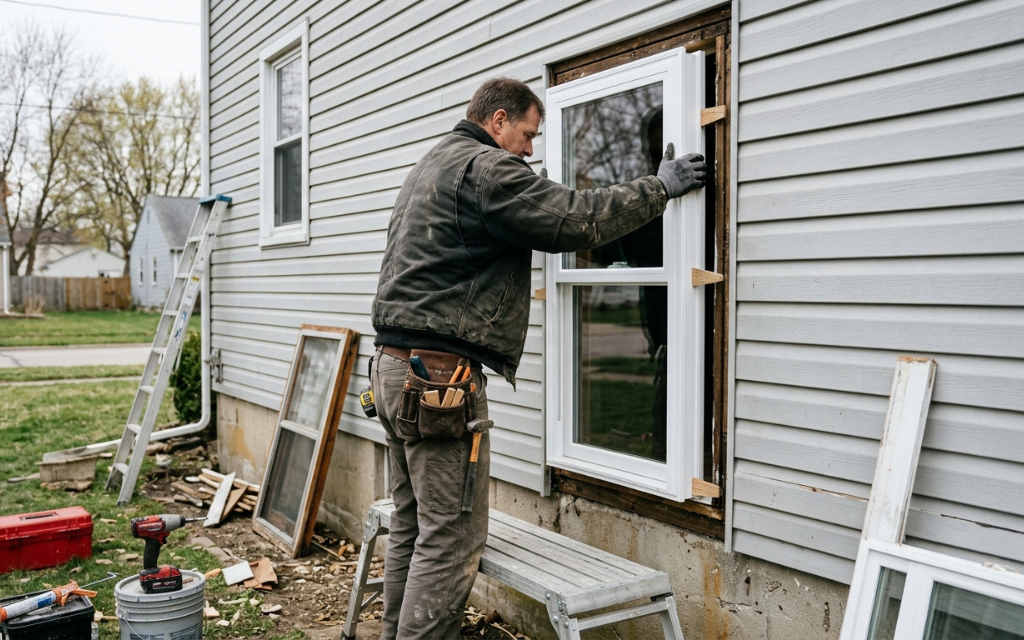
Insert or full-frame. An insert replacement fits inside your existing frame, so it works when that frame is dry and solid. Full-frame replacement takes everything out down to the rough opening, so it’s the better route when there’s rot or water damage. Ask your installer which one your window needs and why.
What Should Toledo Homeowners Look for in Long-Lasting Replacement Windows?
The U-factor. This number tells you how well a window holds heat in. Lower is better. ENERGY STAR sorts the country into climate zones, and Toledo is in the Northern zone. For Northern-zone windows, ENERGY STAR’s main requirement is a U-factor of 0.22 or lower with a solar heat gain coefficient (SHGC) of at least 0.17. It also allows a few combinations with a slightly higher U-factor if the SHGC is higher. The full table is on ENERGY STAR’s criteria page.
ENERGY STAR for the right zone. ENERGY STAR advises putting your request for windows certified for your location in writing in the contract, and asking for the brand, model, U-factor and SHGC of each window. On install day, check the label on the glass to confirm the windows are certified for your area. Keep the NFRC label for your records.
The glass package. Low-E coating and argon gas help a window hold heat in. Warm-edge spacers help reduce condensation at the edges of the glass.
The warranty. There are usually three separate warranties: product, glass (including seal failure), and installation. For the glass seal, 10 to 20 years is common, and longer is better. Some manufacturers also require a trained or certified installer to keep the warranty valid. A “lifetime” warranty is only as good as its written terms, so read what it covers and whether labor is included.
The frame. Vinyl is the usual pick for low maintenance and good insulation. Fiberglass is strong and durable and usually costs more. Wood suits owners who like the look and don’t mind refinishing, and many wood windows have an aluminum or vinyl exterior to cut maintenance.
What Replacement Windows Cost
ENERGY STAR estimates about $500 to $1,500 per window installed in the colder Northern and North-Central zones, with premium wood, fiberglass or composite windows costing more. A higher price doesn’t mean a better U-factor, so compare the numbers.
Replacing windows rarely pays for itself through energy savings alone. ENERGY STAR says certified windows can cut household energy bills by up to 13% nationwide when they replace single-pane windows, and the savings are smaller if your current windows are already double-pane. The rest of the return comes from comfort and a better-looking, easier-to-sell house.
Ask for an itemized written quote, and check ENERGY STAR’s rebate finder with your zip code for utility incentives. If you’d rather spread out the cost, Windows419 also offers financing.
How Long Do Windows Installed by Windows419 Last in Toledo?
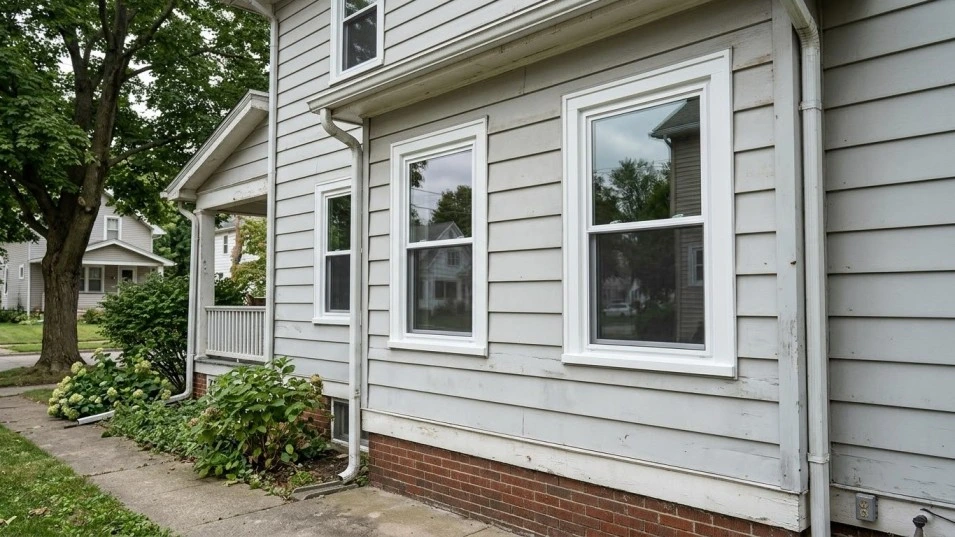
Vinyl windows can last around 20 to 30 years, depending on the product, installation, and maintenance. Windows419 installs ENERGY STAR-certified ProVia vinyl windows, custom-made to fit each opening. Our installers bring over 20 years of experience to every job.
Here’s how the process works:
- You book a free in-home visit, and our team reaches out within 24 hours.
- We measure every opening and provide a written quote on the spot, with no pressure to sign that day. Your quote is locked in for one year.
- ProVia builds your windows, which typically takes about 3 to 4 weeks.
- Most homes are done in one day. We install windows year-round, including winter.
We handle both insert replacements and full-frame installations, depending on what your existing window openings need. Every window comes with a limited lifetime materials warranty, and our installation is covered by a separate 3-year workmanship warranty. You can read the full terms on our warranty page.
If you’d like us to look at your windows, book a free inspection or call 419-467-3787.
Frequently Asked Questions
How long do replacement windows last in Toledo?
Vinyl windows usually last 20 to 30 years or more. Fiberglass can last 25 to 40 years. Installation quality and water exposure can change that a lot.
My windows are 20 years old. Should I replace them?
Not necessarily. If the glass is clear, the frames are solid, and they open, close and lock well, they may have years left. Replace worn weatherstripping first and see how they do.
Can I replace just one window?
Yes. A single failing window doesn’t mean the others need to go. Just keep in mind that new windows may look slightly different from old ones next to them.
Do I need new windows if the glass is foggy?
Not always. Foggy glass means the seal has failed, but if the frame is in good shape, the glass unit alone can sometimes be replaced. If the frame is also worn, a full replacement makes more sense.
What U-factor do I need in Toledo?
For ENERGY STAR in the Northern zone, the main requirement is 0.22 or lower with an SHGC of 0.17 or higher. Ask the installer for the exact numbers in writing.
Can windows be installed in winter?
Yes. We install year-round in Toledo, and each opening is closed up again within minutes.
How long does it take to get new windows?
Custom windows from ProVia arrive in about 3 to 4 weeks. Installation usually takes one day.
Will new windows lower my energy bills?
It depends on what you’re replacing. ENERGY STAR says certified windows can cut energy bills by up to 13% on average when they replace single-pane windows, but the savings are smaller if your current windows are already double-pane. The bigger gain is often comfort: fewer cold spots and drafts near the window.
Where to Start
Walk through your house once with a flashlight and a screwdriver. Check the glass, the sashes and the sills. Whatever you can’t explain, have someone look at it before you spend money. If you want that second opinion, Windows419 will come out for free.